Sustainability has become a critical priority as individuals and communities strive to address pressing environmental challenges. For homeowners, a sustainable living environment is a practical and impactful way to contribute to these efforts. A sustainable home reduces its ecological footprint and promotes healthier living conditions, lowers utility costs, and increases long-term property value.
Thanks to remarkable innovations to enhance the sustainability of your home, it is now more accessible and efficient than ever before. From energy-efficient appliances and solar power systems to water-saving fixtures and eco-friendly building materials, modern innovations are paving the way for smarter, greener living.
Energy Efficiency Upgrades
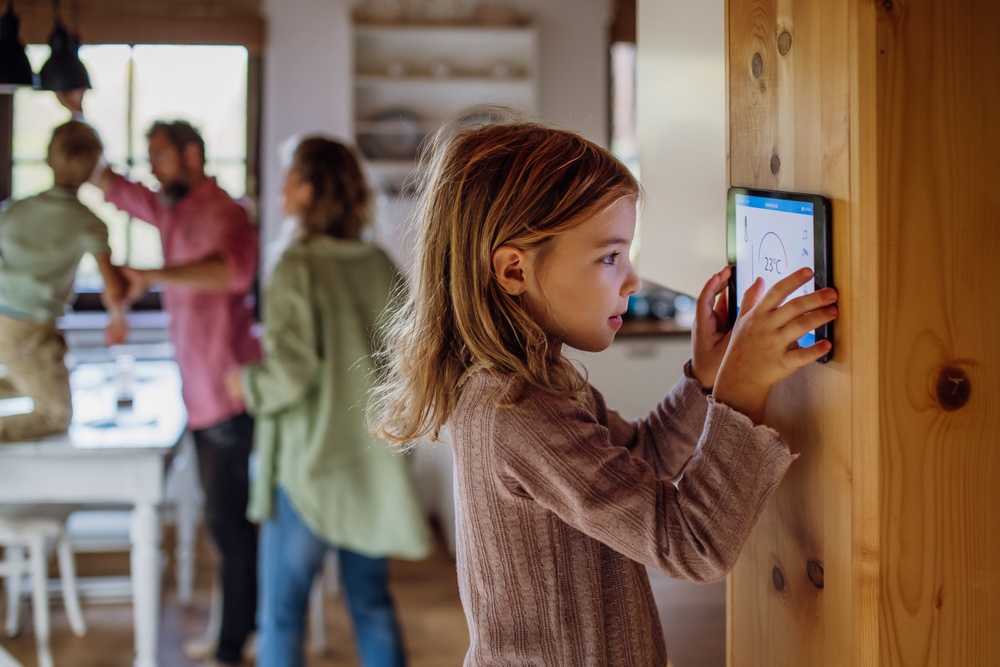
Energy efficiency represents a primary goal for sustainable home design and retrofits. New appliance standards and smart systems significantly lower household power consumption. Smart thermostats learn your schedule to optimize temperature control for maximum comfort.
Triple-pane windows with low-emissivity coatings reflect heat while they allow light to pass through. These features help maintain stable indoor temperatures year-round with less reliance on HVAC systems.
Smart Water Management
Water conservation is another cornerstone of a sustainable household, aided by smart technology. Intelligent irrigation systems adjust their schedules based on weather forecasts and soil moisture levels. They prevent overwatering your lawn and garden, which conserves a precious natural resource.
Indoors, low-flow fixtures and smart leak detectors contribute to significant water savings. Modern faucets and showerheads reduce water use without compromising performance.
Home Electrification and Storage
The move toward home electrification helps to decrease reliance on fossil fuels. Heat pumps provide an efficient alternative to conventional furnaces and air conditioners. Solar panels on your roof generate clean, renewable electricity for your home’s needs.
Energy storage solutions complete the picture of home electrification and sustainability. With the rise of Tesla solar megapack batteries, you can store excess solar power for later use. This ensures a consistent power supply even during nighttime or on cloudy days.
Advanced Insulation Materials
Proper insulation provides one of the most effective ways to enhance home sustainability. New materials offer superior thermal resistance compared to traditional fiberglass or cellulose. Aerogel and vacuum-insulated panels provide exceptional insulation with minimal thickness.
These innovative materials help create a tight thermal envelope around your home. This barrier dramatically reduces heat transfer between the inside and the outside. Your home stays warmer in the winter and cooler in the summer.
Low-Impact Materials and Circular Practices
Sustainable construction and renovation also involve thoughtful material selection. Reclaimed wood, recycled steel, and bamboo offer beautiful and durable alternatives to new materials. These options reduce the demand for virgin resources and minimize production waste.
Circular economy principles encourage the reuse and repurposing of materials at the end of their life. This approach minimizes landfill waste and promotes a more responsible material lifecycle.
The path to a sustainable home is full of innovative and effective solutions. These innovations to enhance the sustainability of your home reduce environmental impact and operational costs. Adopting these advancements helps create a better home and a healthier planet.