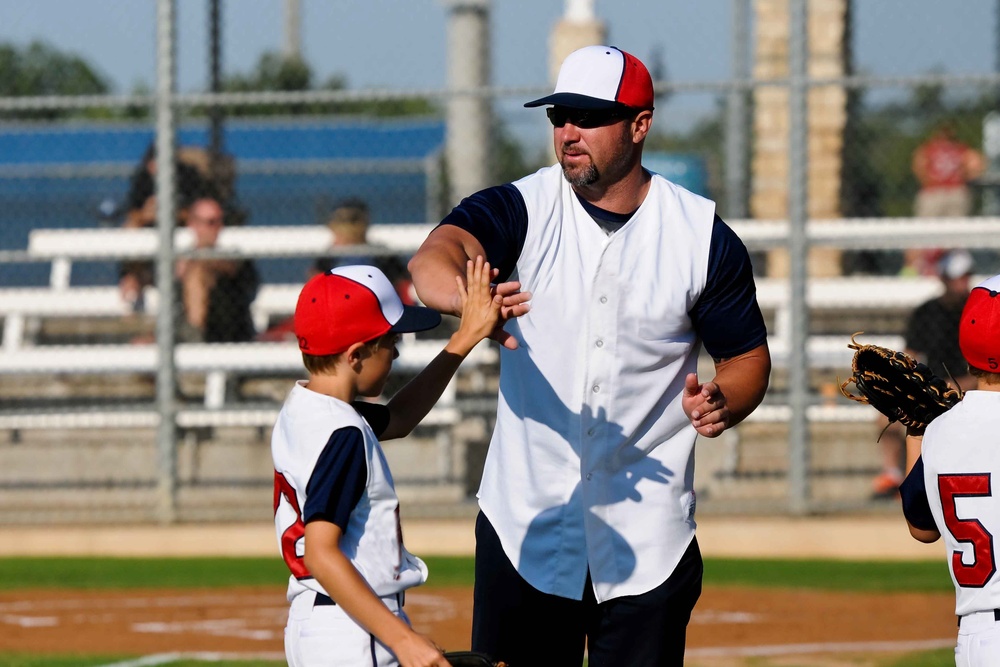
Coaching youth baseball can feel like herding cats with gloves. One minute, a kid turns a double play; the next minute, someone names the base “Steve” and refuses to leave it. If you’re new to managing young players, it can all be a challenge, but we can help. Below, we list some of the dos and don’ts to remember when coaching youth baseball players.
Do: Coach the Kid, Not the Scoreboard
Wins feel great, but development lasts longer than a final score. When coaches focus on effort, hustle, and learning, players stay motivated and bounce back faster after mistakes. Celebrate the small wins: a good throw to the cutoff, a smart tag, a brave at-bat after striking out. Kids repeat what they notice.
Don’t: Treat Mistakes Like Emergencies
Errors happen because kids grow, both physically and mentally. If a coach reacts like the season is over after one dropped pop-up, players start playing with fear and dread instead of confidence and joy. This reticence causes stiff swings, rushed throws, and “I don’t want the ball” moments. Keep corrections calm, quick, and specific, then move on.
Do: Teach Fundamentals in Simple, Repeatable Chunks
Young players improve fastest when they hear clear cues and practice them frequently. Building fundamentals in youth baseball requires repeating clear and concise instructions repeatedly. A few consistent coaching phrases beat a long lecture every time. Don’t overburden kids with advanced skills and thinking—focus on the basics of the game.
Don’t: Over-Coach During Games
Games are not pop quizzes. If a coach talks through every pitch, players stop thinking for themselves. Teach during practice, then let the game be the place where kids try, adjust, and learn. Offer one cue between innings, not a running commentary from the dugout.
Do: Plan Practice Like a Playlist
Start with something active, rotate frequently, and finish with a fun challenge. When coaches keep lines short and reps high, players stay focused and improve faster. This approach makes coaching youth baseball feel less like a chore and more like a highlight of the week.
Don’t: Let One Player’s Needs Stall Everyone
Some kids need extra help, and coaches should absolutely give it. Just avoid turning the whole practice into a one-on-one clinic. While the team runs stations, pull a player aside briefly, then plug them back in.
Do: Set a “Cheer Loud, Coach Calm” Culture
Kids copy adults. If coaches show respect to umpires, encourage teammates, and stay steady under pressure, players follow. That creates a dugout where kids feel safe to try new things—and that’s where real growth happens. When coaching youth baseball, the best “strategy” is typically emotional: confidence, patience, and joy travel fast.
The Right Coaching Attitude Trumps Everything
Now that you understand the dos and don’ts of coaching youth baseball players, you can go out there and have fun with your kid and their teammates. Instruction is important, but the right attitude is what makes the difference. You want to instill a joy and love for the game in these young players at an early age, and it all begins with a positive outlook.